Freight Graffiti in the Age of AI: Big Tech in your favorite pastime
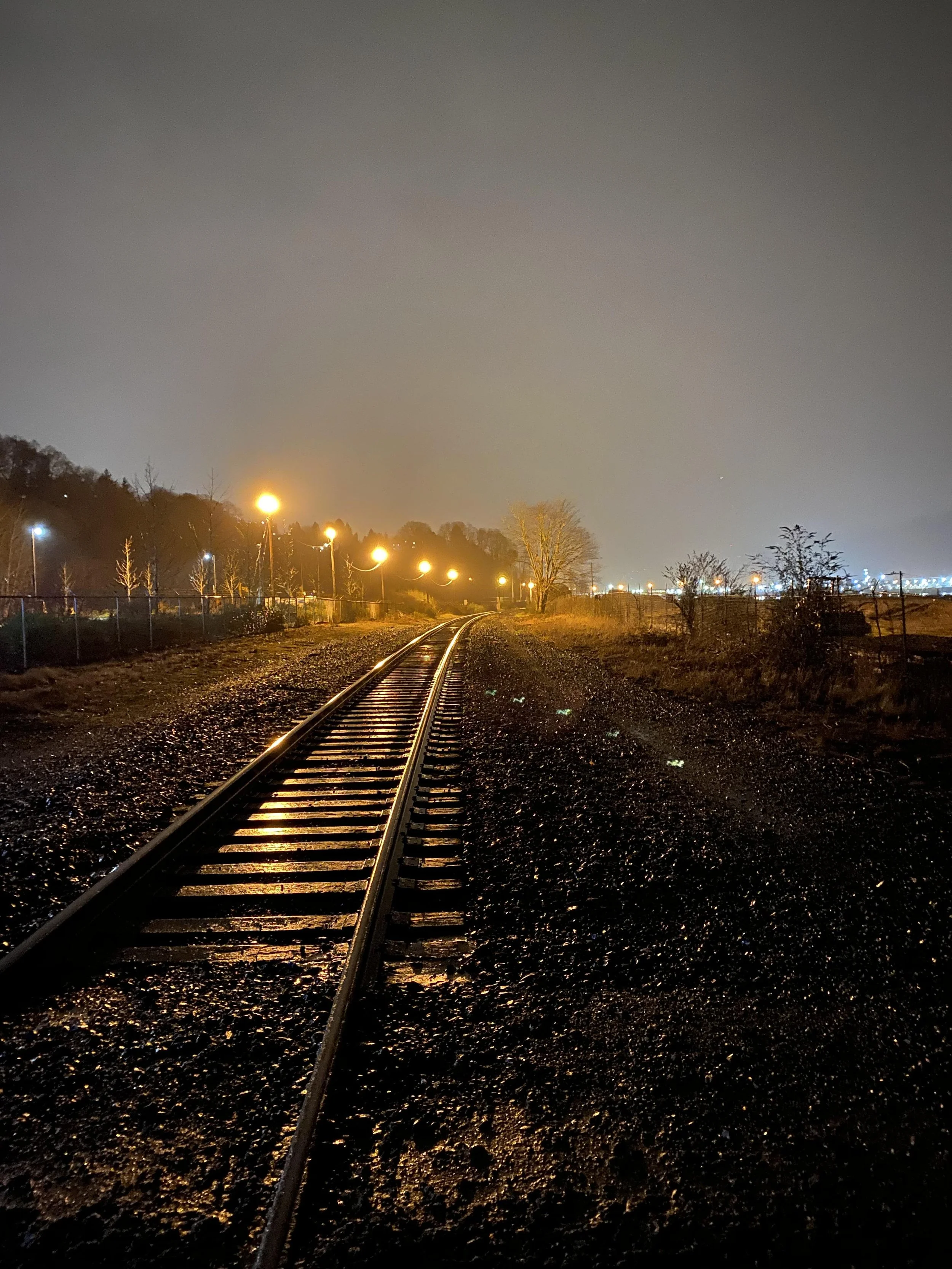
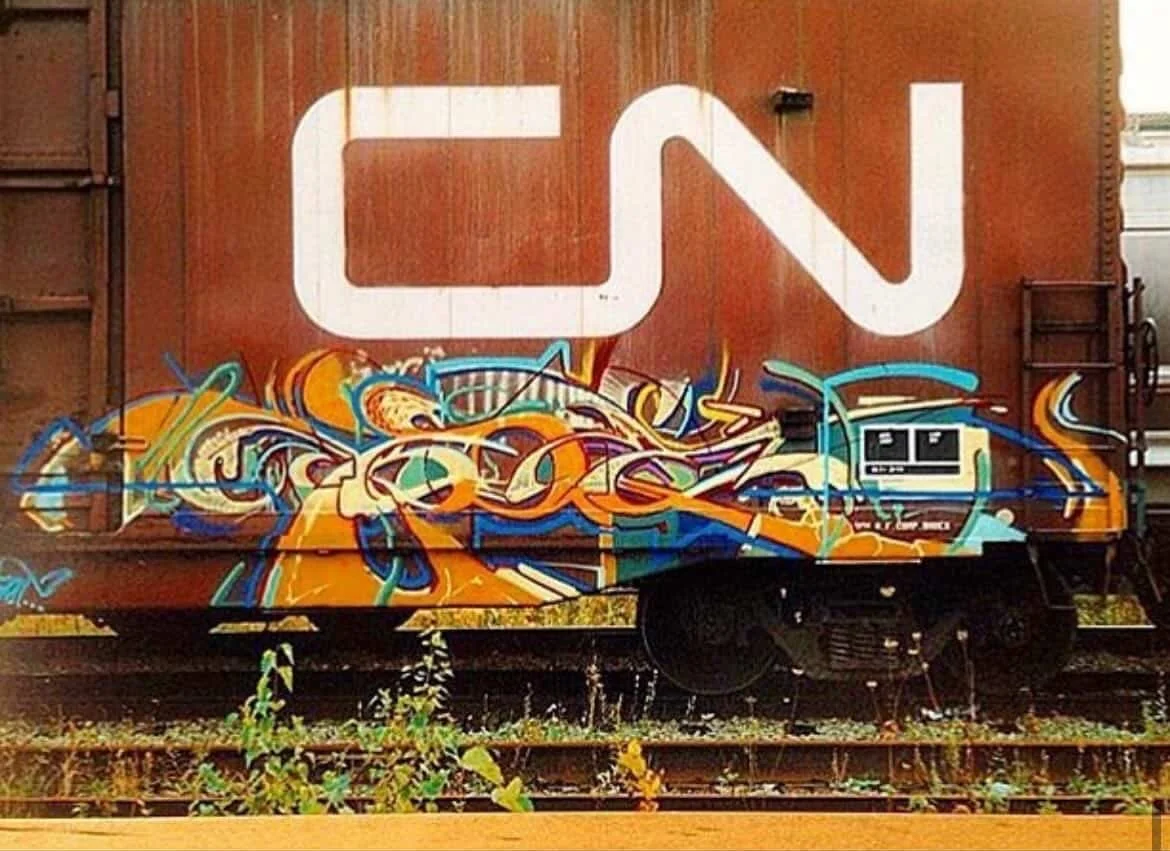
Since the 80’s, freight train graffiti has existed in a world of anonymity in a fast paced, full contact environment. Starting with the early eras of freight train monikers (workers and hobos alike) to the NYC Subway train era, to today’s burners on reefer cars, they have operated as a rolling art gallery free to the public and enjoyed by photographers and railfans alike. These giant canvases traveled all around the country before eventually disappearing into the unknown or being repainted, or decommissioned.
Today’s landscape is changing this with the introduction of AI, Drones, Automatic license plate readers, smartphones and connected surveillance systems. Increased tracking by these systems are fundamentally affecting how these spaces are accessed and documented.
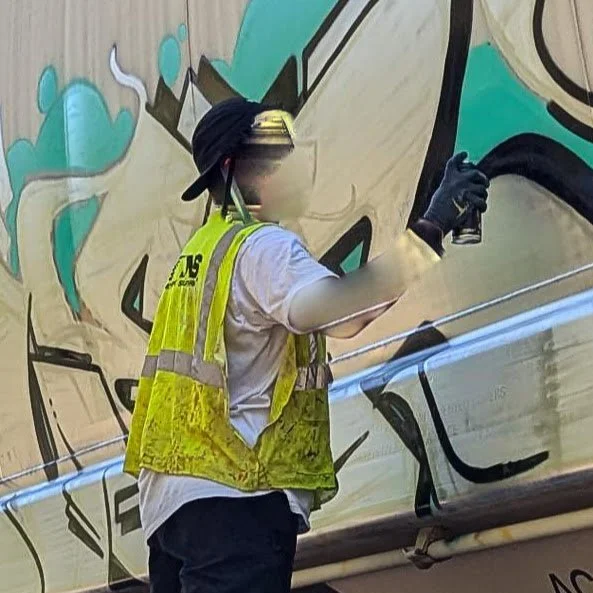
Traditional security systems relied on passive surveillance and observers actively viewing and identifying threats. Increases in AI allow for new systems to automatically view, detect and analyze the target in realtime (Identifying figure in blue hoodie painting a train car) and automatically sending an alert to authorities while also creating a database of searchable information upon review. This means increased response time in lieu of hours of sifting through footage.
Smartphones:
Your iPhone stores .EXIF data inside every photo you take and backs this up onto your connected cloud drives. This poses a privacy issue as this data travels with the photo when you send or share it and modern systems do not block it from being shared. The recipient can extract specific details about you from a single photo, meaning that much more information that can be used to build a case against you.
These details include specific location, device and camera settings as well as time stamps. Social media apps such as Instagram strip your data upon sharing (but retain a backup of the data on their servers) and apps such as signal completely strip the data upon sharing.
(Disable your location recording on iPhone: Go to Settings → Privacy & Security → Location Services → Camera → Never.) The Camera app stops recording GPS coordinates in new photos. Existing photos keep their data.
Drones:
From both a documentation and security point of view, drones are seen as an asset. Photographers can access and inspect hard to reach places and perspectives that are not readily available while security can monitor and secure large areas without needing to send physical personnel. This expands coverage and limits the amount of resources it needs to maintain. Comically, Artists like KATSU have adopted the drone for creative purposes: https://www.wired.com/2014/04/a-nightmare-for-cops-a-drone-that-paints-graffiti/
Flock Safety (ALPR) Systems:
Created under the guise of Public safety, these license plate readers are often employed by city councils, neighborhoods and businesses throughout public spaces. These systems use powered cameras and a combination of audio/visual recordings to track license plates, people and create searchable databases of information that is privately stored. Cities such as Milwaukee (https://ij.org/police-have-reportedly-used-license-plate-readers-to-stalk-romantic-interests-at-least-14-times-in-recent-years/) have seen obvious exploiting of this technology.
Algorithms within the system can analyze you automatically and determine if you are “Suspicious” https://www.aclu.org/news/national-security/tracking-alpr-cameras/surveillance-company-flock-now-using-ai-to-report-us-to-police-if-it-thinks-our-movement-patterns-are-suspicious
Countries like Korea use advanced surveillance systems to identify and track graffiti writers as seen here:
This technology broadens the conversation more so from not just being able to paint freights or document the scene but we are now looking at how our everyday movements are being recorded and analyzed by private organizations. Ironically, these technological improvements have made preserving this temporary artform more valuable than before. The photographs often outlive the work itself, with the photographers becoming historians and the archives becoming museums.
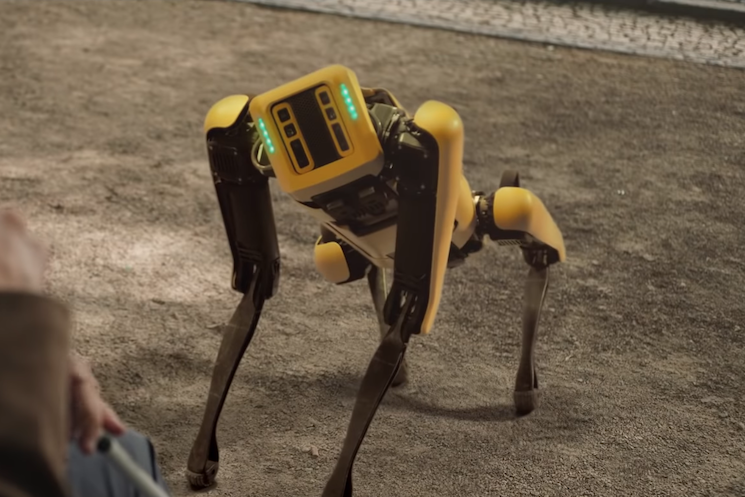
So many questions loom.. If railyards employ drones does that end chill spots? Will writers carry anti drone/tracking equipment? Will we fight robot AI Dogs?
As many art movements have adapted and changed with time, I'm convinced graffiti will do the same.
Join Our Movement
We’re creating a space where graffiti can thrive outside of algorithms. Get involved in our forum, contribute to 400ml, and help bring the culture back to its roots. Email us at hello@4hundredml.com if you’re interested in contributing.